
Acne is one of the most common skin concerns, yet it is also one of the most frustrating to treat.
Many people invest time, money, and hope into products that promise clear skin, only to see little or no improvement. If your acne treatment isn’t working, it doesn’t necessarily mean you’re doing everything wrong. More often, it means there is a mismatch between your skin’s needs and the approach you’re taking.
One of the main reasons acne treatments fail is impatience. Acne does not develop overnight, and it rarely disappears quickly. Most effective treatments need at least six to eight weeks of consistent use before visible improvement occurs. Switching products too frequently disrupts this process and prevents the skin from adjusting. Many people abandon a treatment just as it is starting to work.
Another common issue is using products that are too harsh. In an effort to “dry out” acne, people often rely on aggressive cleansers, strong alcohol-based toners, and frequent exfoliation. While this may reduce oil temporarily, it often damages the skin barrier. When the barrier is compromised, the skin becomes irritated and produces even more oil to compensate, leading to more breakouts rather than fewer.
Incorrect product combinations can also sabotage results. Acne treatments often contain active ingredients like benzoyl peroxide, salicylic acid, or retinoids. When these are layered improperly or combined with incompatible acne products, irritation increases and effectiveness decreases. Skin that is constantly inflamed has a harder time healing, which prolongs acne and increases the risk of scarring.
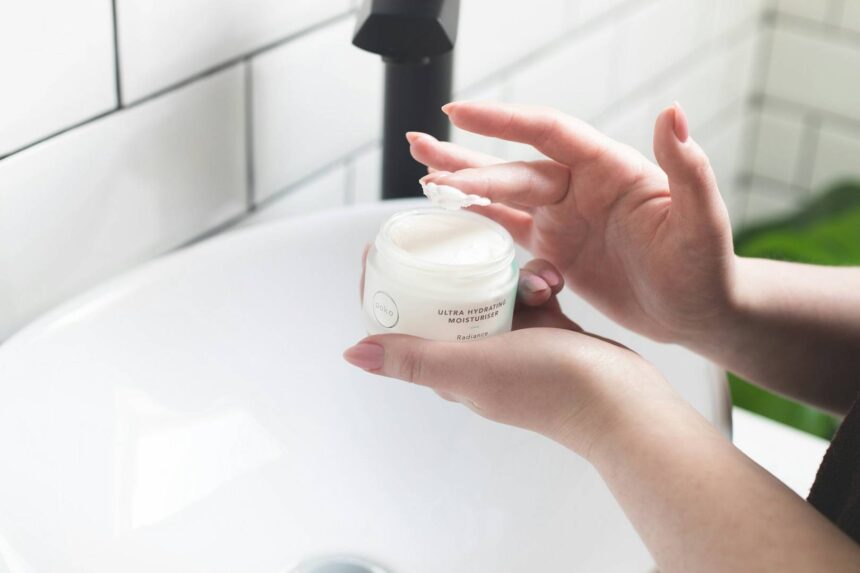
Another overlooked factor is hydration. Many people with acne avoid moisturizers, believing they will worsen breakouts. In reality, dehydrated skin sends signals to produce more oil, which can clog pores. A lightweight, non-comedogenic moisturizer helps maintain balance and allows acne treatments to work more effectively without excessive irritation.
Hormonal influences are another reason treatments may fall short. Adult acne, especially in women, is often linked to hormonal fluctuations rather than surface-level issues alone. In these cases, topical products may improve symptoms but not fully resolve the problem. Stress, menstrual cycles, and underlying hormonal conditions can all play a role, making a more comprehensive approach necessary.
Lifestyle factors matter more than many people realize. Diet, sleep, and stress levels all influence inflammation and oil production. While acne is not caused by poor habits alone, they can significantly affect how well treatments work. Chronic stress, for example, increases cortisol levels, which can worsen breakouts and slow healing.
Using the wrong products for your specific acne type is another major issue. Blackheads, whiteheads, inflammatory acne, and cystic acne all respond differently to treatment. What works for mild congestion may be ineffective or even harmful for deeper, inflammatory breakouts. Understanding your acne type is essential before choosing a solution.
Consistency is just as important as product choice. Skipping applications, using treatments sporadically, or applying incorrect amounts reduces effectiveness. Acne treatments are designed to work cumulatively. Inconsistent use leads to inconsistent results.
It’s also important to recognize when professional guidance is needed. If over-the-counter treatments fail after several months, consulting a dermatologist can save time and prevent long-term damage. Prescription treatments, professional procedures, or tailored routines often succeed where generic approaches fail. This mirrors other complex fields where expertise matters, much like Maritime law, where specialized knowledge is required to navigate challenges that general solutions cannot resolve.
Finally, unrealistic expectations can undermine motivation. Acne treatment is about improvement, not perfection. Clearer skin, fewer breakouts, and faster healing are meaningful successes, even if occasional blemishes still appear. Progress is often gradual and uneven, but it is still progress.
Fixing an ineffective acne routine usually requires simplifying rather than adding more products. Focus on gentle cleansing, targeted treatment, proper hydration, and patience. When treatments align with your skin’s biology and are used consistently, results become far more achievable.
Acne is not a personal failure or a sign of poor hygiene. It is a complex skin condition influenced by multiple factors. With the right strategy, realistic expectations, and sometimes professional support, even stubborn acne can be brought under control.